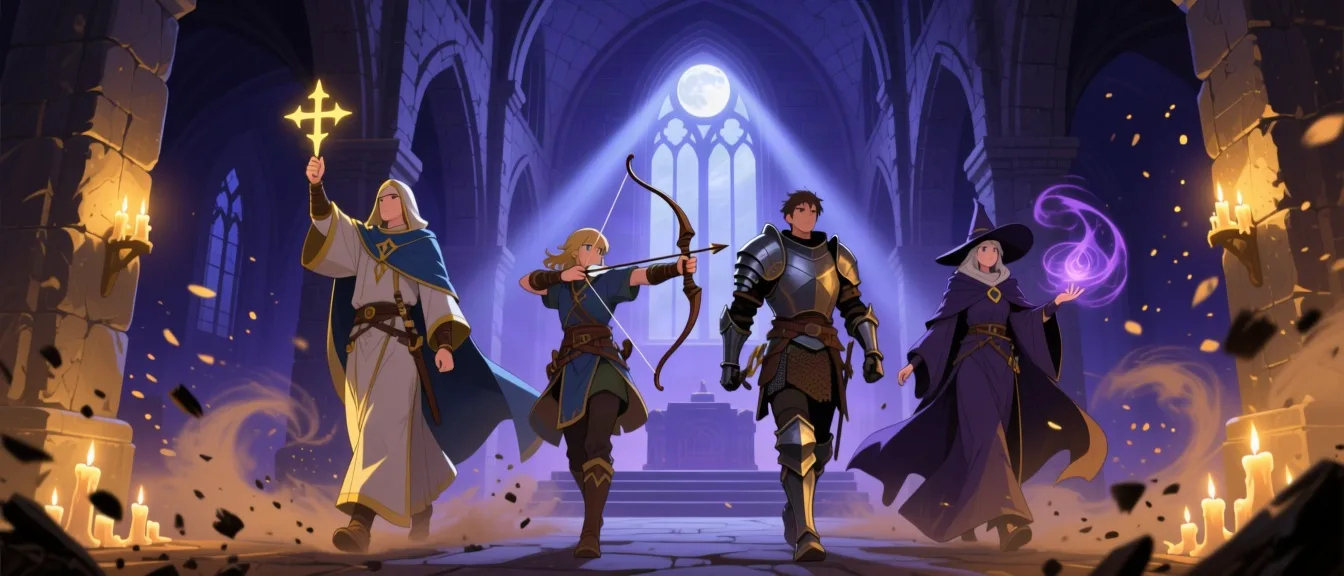
D&D Campaigns
A table that remembers the whole campaign
Play with an AI Dungeon Master or run the table yourself. Real d20 checks against SRD difficulty classes, initiative order, art that appears as the scene is described, and a written report at the end that outlives the campaign itself.
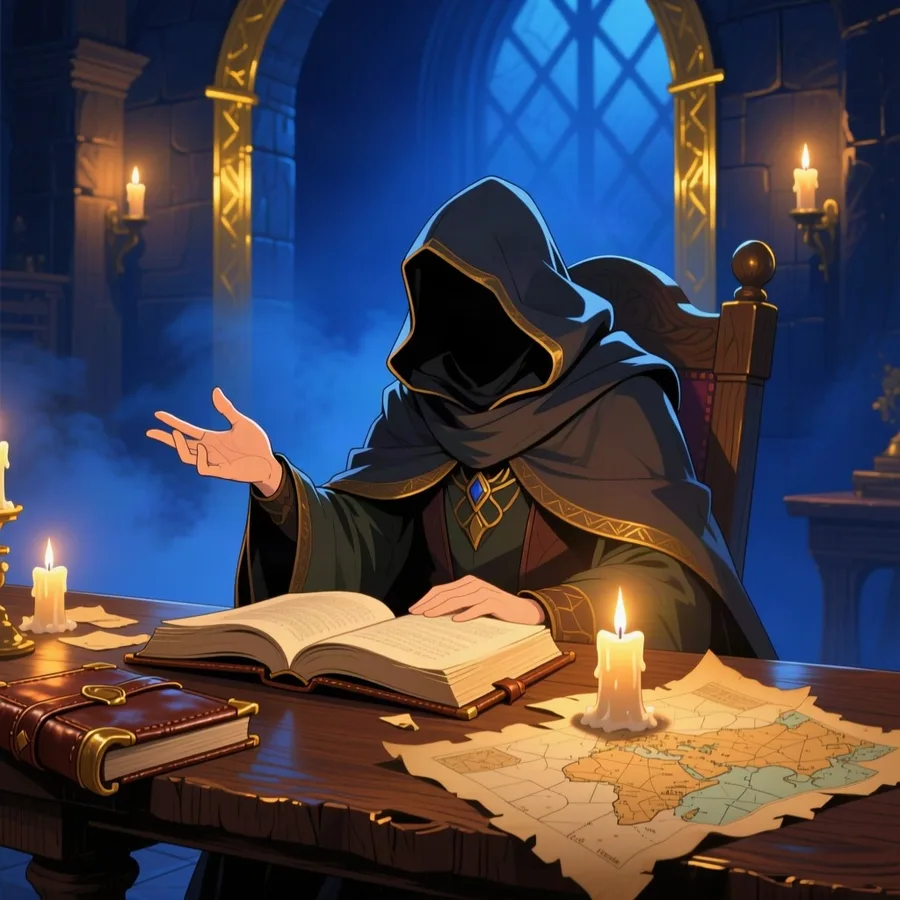
An AI DM, or you
Three built-in Dungeon Masters who differ in rules lethality, not just tone — or take the chair yourself and narrate it live. Every table runs on our own AI and is paid in coins, so the art and the narration read the same for everyone in it.
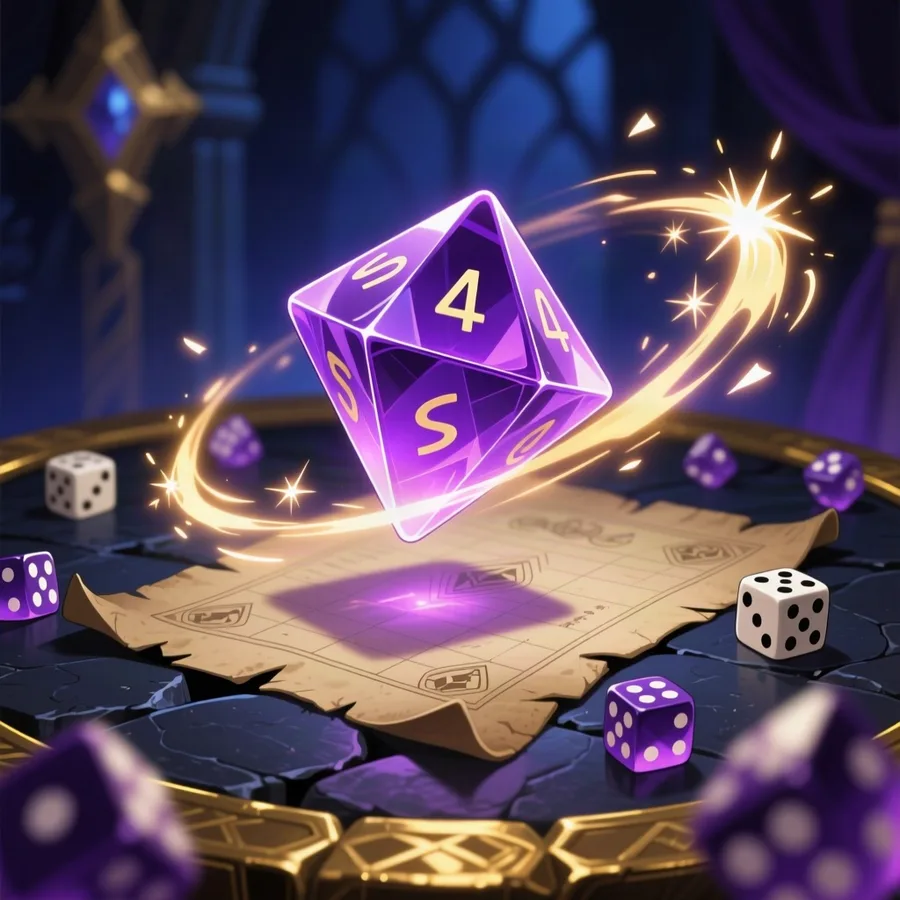
The dice actually decide
Uncertain actions roll a real d20 against an SRD difficulty class, with your character's ability and proficiency modifiers applied.
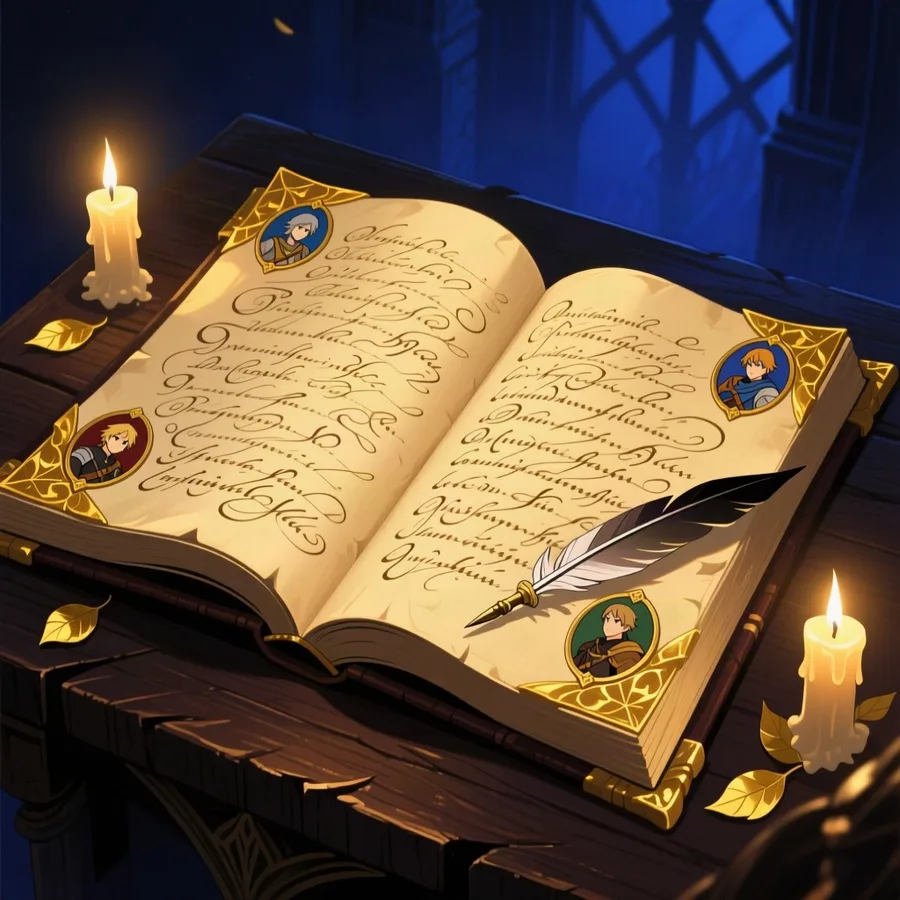
A record that outlives it
When the campaign ends, everyone keeps a written report — the epilogue, and their own character's numbers.
Three Dungeon Masters, three different games
Picking a DM is not picking a writing style. Each persona carries its own difficulty guidance into the rules themselves, its own art direction for the scenes it describes, and its own musical mood — so the same party in the same dungeon has a measurably different night depending on who is running it.
The Chronicler
Warm, classic high fantasy. Even-handed, generous with detail, fair with consequences.
- At the table
- Standard — most checks at DC 15. Fights are winnable, never free; you end a real one down resources.
- Scene art
- Fantasy Art
- Score
- Sweeping orchestral, strings and horns
The Grim Warden
Sparse, cold, gothic. Grim odds, real death, nothing explained twice.
- At the table
- Lethal — the difficulty ladder climbs, and a bad plan can cost a character.
- Scene art
- Gothic
- Score
- Low drone, distant bells, cold strings
The Wandering Bard
Light, quick, comic. Swashbuckling; failure is funny, not fatal.
- At the table
- Gentle — most checks at DC 10–15. A bad roll costs progress, rarely a life.
- Scene art
- RPG Fantasy Game
- Score
- Lively tavern folk, fiddle and hand drum
Prefer to run it yourself? Take the chair as a human DM and narrate each beat in your own words. The party still rolls real dice, initiative still holds, and the scene art and music still follow your description — you are simply the one describing it.
The character you built in chat takes the seat
Characters are not campaign-scoped. The companion you designed and have been talking to for weeks — their appearance, their voice, the gear they picked up along the way, everything they remember about you — is the same character who sits down at the table. Nothing is re-created, and nothing is left behind.
Built once
Design them in the character creator: appearance, personality, art style, voice. They exist at the account level, not inside a single conversation.
Carried in
Take a seat in any campaign with that same character. Their ability scores, armour class, hit points and proficiency bonus come with them to the table.
Changed by it
Gear found during a campaign is theirs afterwards. What they lived through is in their memory the next time you open an ordinary chat with them.
The room gets drawn while you are still in it
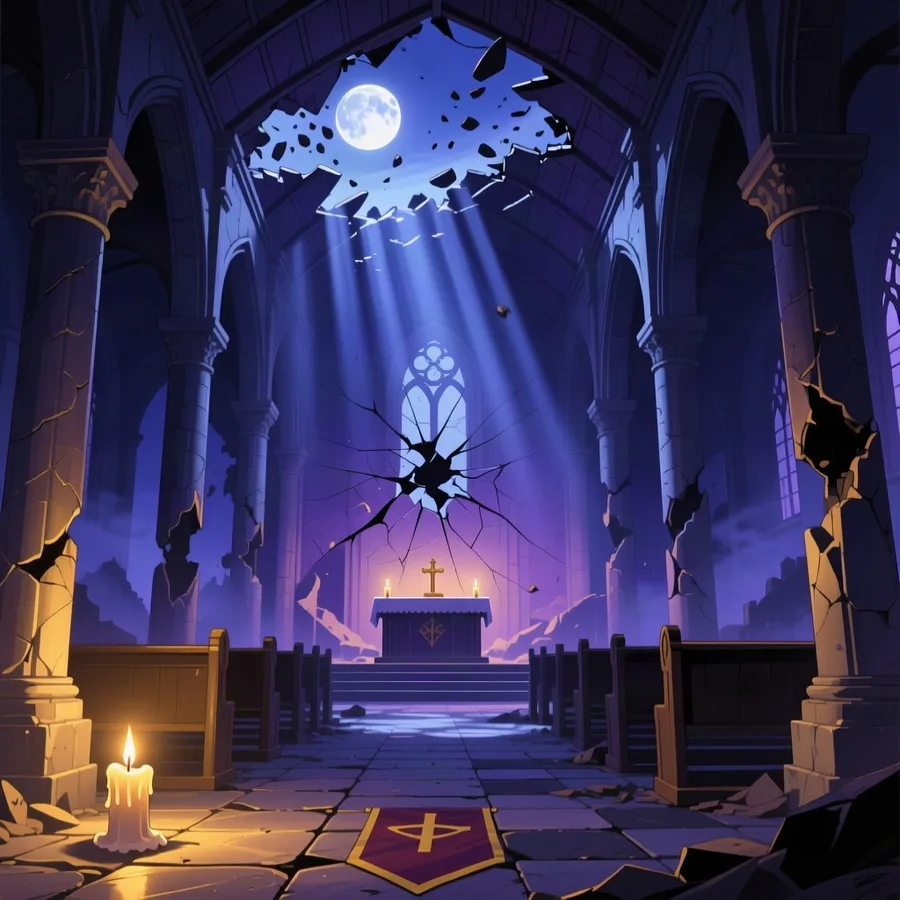
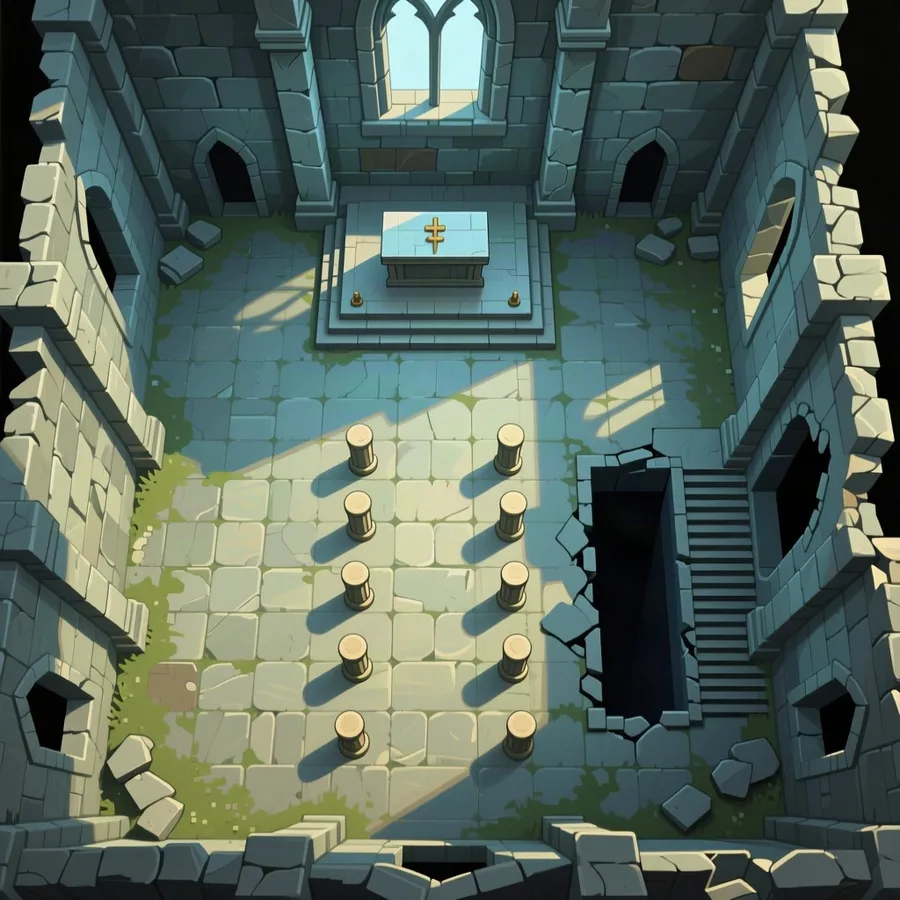
Every turn of narration is read by a classifier that asks one question: is this beat worth a picture? Most are not — a picture per turn would be expensive and visually numbing — but when the party pushes open the chapel door, the chapel appears.
The image is composed from the DM's actual words plus who is standing there, so the party in the picture is the party at the table, wearing the gear they are actually carrying. It renders in the background: nobody waits on it, and the turn continues while it is drawn. Whichever DM you chose sets the art direction.
And it sounds like something
The same classifier that decides whether a beat is worth drawing also reads it for mood — a tavern, a fight, the tense approach, the quiet afterwards — and the table's score follows. Each Dungeon Master has their own musical character, so the same corridor sounds like swelling strings under The Chronicler and a low, cold drone under The Grim Warden.
Combat
The Chronicler
Combat
The Grim Warden
Tavern
The Wandering Bard
Thirty seconds from the real in-game loops. The first two are the same scene under two different Dungeon Masters; every Dungeon Master has a track for each of the six scenes.
Every Dungeon Master also has a voice. Press play and hear the same moment — the party opens a door — narrated by each of them.
The Wandering Bard
Light, quick, comic
The Chronicler
Warm, classic high fantasy
The Grim Warden
Sparse, cold, gothic
How it works
- 1
Create a campaign and choose a Dungeon Master — one of the three personas, or yourself.
- 2
Players take a seat with one of their own characters. Ability scores, armour class, hit points and proficiency bonus come with them.
- 3
Turns resolve in initiative order, one action each per round, exactly as they would at a physical table.
- 4
Uncertain actions roll a real d20 against an SRD difficulty class with the character's own modifier applied — the result is decided before the prose is written, not by it.
- 5
Scenes worth drawing get drawn, in the DM's own art style, without interrupting the turn.
- 6
Schedule a start time and everyone gets a reminder. If the host does not appear within fifteen minutes, the table can carry on without them.
- 7
End the campaign and the report is written: an epilogue over the whole transcript, plus a record sheet for every player.
The report is the point
Most AI roleplay evaporates the moment you close the tab. When a campaign ends here, the model writes an epilogue over the whole transcript and a record sheet for every player — the character they ran, the title the table earned them, their notable moment, how many checks they made and how many they passed, their highest roll of the campaign, and whether they were still standing at the end.
That report is deliberately detached from the campaign that produced it. Delete the game and every player still keeps their copy — in their own history, on their public profile if they choose to feature it, posted to a guild wall if they want to show it off, and behind the badges it earned them.
Ready to try it yourself?
Start Adventure →